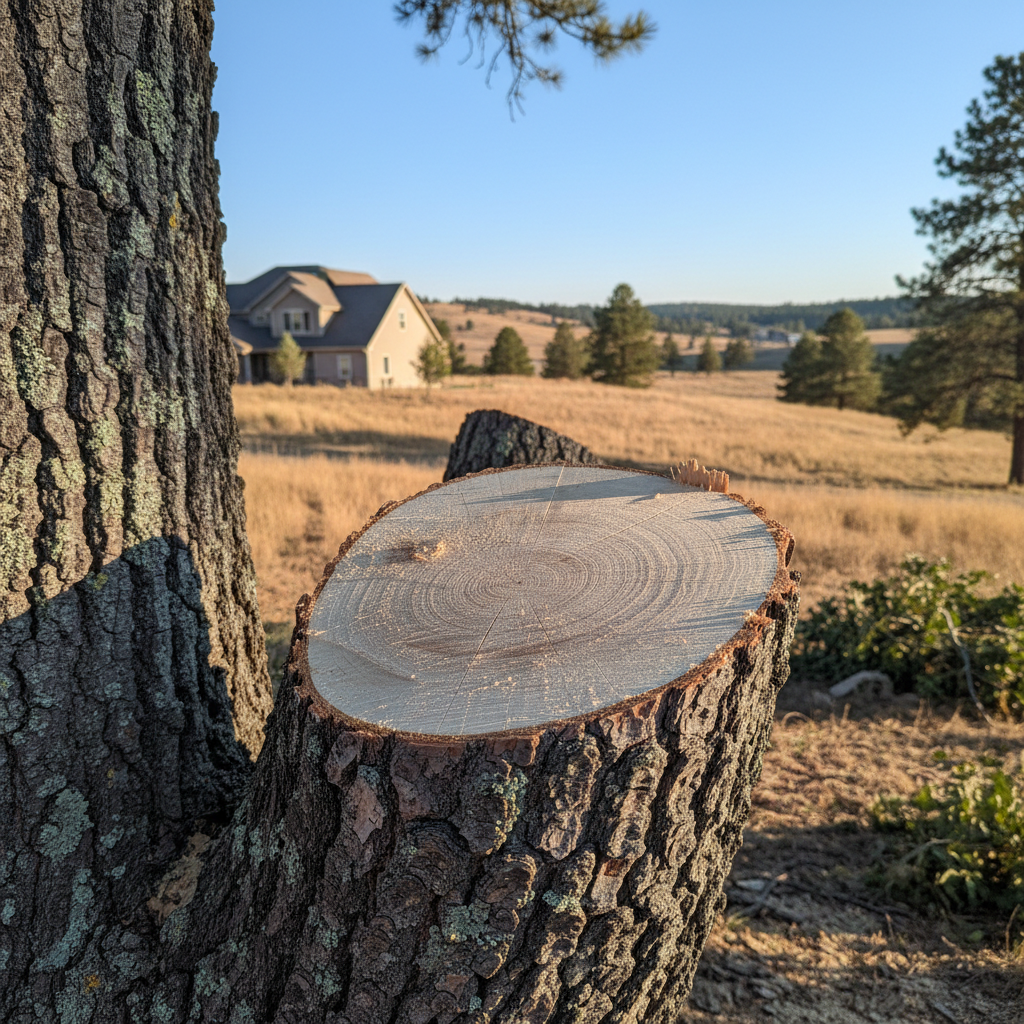
Before You Even Think About Trimming
Look, I get it. You see a branch that's bugging you, and you think, "I can handle that." And sometimes, yeah, you absolutely can. But before you even pull out the ladder, you've gotta ask yourself a few honest questions. Safety is number one, always. I've seen too many folks get hurt trying to do something they weren't equipped for, and believe me, it's not pretty.
First off, what kind of tree are we even talking about? A small ornamental shrub in your front yard is a world away from a big, old cottonwood or oak. Those larger trees, especially ones that have been growing for decades, need a completely different approach. Their branches are heavy, often much higher than you think, and can be pretty unpredictable.
Next, where's the branch? Is it low-hanging, easy to reach from the ground with a pole pruner? Or is it way up high, maybe near power lines, or hanging over your house? If it's anywhere near power lines, stop right there. Don't even think about it. Call the power company first, then a professional tree service. Seriously, that's not a risk you want to take. And if it's over your house, or a shed, or your kid's swing set, you really need to consider what happens if it falls the wrong way. That's a big deal, right?
Also, think about the tools you've got on hand. A good pair of hand pruners works for small stuff, maybe a lopper for branches up to an inch or two. A pole saw can help with higher branches, but they get unwieldy fast. If you're thinking chainsaw, you better know what you're doing. Chainsaws are dangerous tools, and using one from a ladder? That's just asking for trouble. We've got the right gear here at A-1 Tree, and there's a good reason for it.
What You Can Probably Handle Yourself
Okay, so you've assessed the situation. Here's what most homeowners can safely take on:
- Small branches, dead or alive, that you can reach from the ground or a very stable, low step stool. We're talking branches up to about 1 inch in diameter. Use sharp hand pruners or loppers.
- Suckers growing from the base of the tree or water sprouts shooting straight up from branches. These are usually small and easy to snip off.
- Removing dead or diseased branches that are easily accessible. Just make sure you make a clean cut back to healthy wood.
- Trimming back shrubs or smaller ornamental trees that aren't going to cause damage if a branch falls.
When you do trim, always make clean cuts. Don't leave stubs. Cut just outside the branch collar – that slightly swollen area where the branch meets the trunk or a larger branch. That helps the tree heal properly. And don't over-trim. Taking off too much at once can stress the tree out. A good rule of thumb? Never remove more than 25% of the canopy in a single year.
When It's Time to Call in the Pros
This is where my advice gets really direct: if you have any doubt, call a professional. It's just not worth the risk to your safety, your property, or the health of your tree. Here are some clear signs you need to pick up the phone:
- Any branch that requires a ladder and a chainsaw. Just don't do it.
- Branches near power lines. I said it before, I'll say it again. This is non-negotiable.
- Large branches overhanging your house, garage, or other structures. If it falls, it's going to do serious damage. We've got the equipment and the know-how to bring those down safely.
- Trees that are very tall or have a wide spread. Managing the weight and direction of falling limbs on a big tree is a specialized skill.
- If you're trying to shape a tree for aesthetic reasons or for structural integrity. Proper pruning techniques can make a huge difference in a tree's long-term health and appearance. Bad cuts? They can actually harm the tree.
- Any tree that looks sick, has significant deadwood, or shows signs of rot. These might need more than just trimming; they might need an arborist's assessment.
- You're dealing with a tree that's leaning, or you're worried about its stability. Especially after a rough Sturgis winter with heavy snow or high winds, trees can get compromised.
We've got the specialized equipment – bucket trucks, chippers, safety gear – and the experience to handle these jobs safely and efficiently. We know the local tree species, like how the Ponderosa pines around the foothills react to certain cuts, or the best time to prune those old apple trees in your backyard. We're also insured, which is a big deal if something goes wrong.
After the Trimming Is Done
Whether you did it yourself or hired us, keep an eye on your tree. Look for signs of stress, like wilting leaves or new dead branches. Make sure the cuts are healing well. If you notice any issues, it's always smart to have an arborist take a look. Proper tree care is an ongoing thing, not just a one-time job. A healthy tree adds value to your property and provides shade and beauty for years to come. Don't cut corners when it comes to keeping them healthy and safe.